Sales tax nexus: when you owe tax in another state
What sales tax nexus means, how economic nexus thresholds work after Wayfair, and how to know where you actually have to collect.
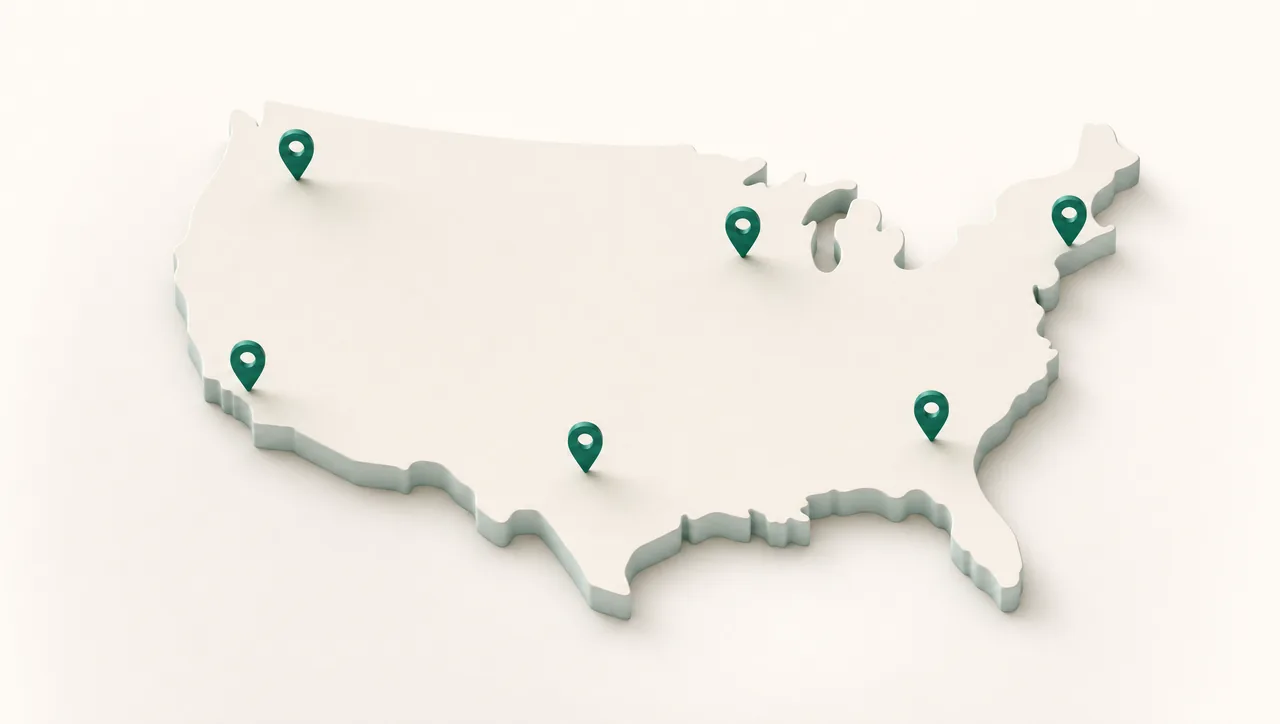
Sales tax used to be simple: you collected it where you had a store. Then online selling blurred state lines, and a 2018 Supreme Court decision rewrote the rules. Now you can owe sales tax in a state you have never set foot in. The concept that decides where is called nexus.
What nexus means
Nexus is the connection between your business and a state that is strong enough for that state to require you to collect and remit its sales tax. If you have nexus in a state and sell taxable goods or services there, you are responsible for charging that state's tax and sending it in.
Physical nexus vs economic nexus
- Physical nexus: an office, a warehouse, inventory stored in the state (including at a fulfillment center), or employees working there.
- Economic nexus: enough sales into the state to cross its threshold, even with no physical presence at all.
- After the 2018 Wayfair decision, economic nexus is the rule that catches most online sellers off guard.
How economic thresholds work
Most states set an economic nexus threshold, commonly around 100,000 dollars in sales or 200 separate transactions into that state in a year. Cross it, and you are expected to register, collect, and remit there going forward. The exact numbers vary by state, and a few have dropped the transaction count, so the dollar figure is what to watch.
How to know where you owe
The practical answer is to track your sales by state continuously, so you can see which states you are approaching or have crossed. Waiting until tax season to figure this out is how businesses end up owing back tax in multiple states at once. Real time sales tracking turns a compliance landmine into a dashboard you glance at.
Nexus is not about where you are. It is about where your customers are, and how much you sell to them.
Keep sales tracked by state as orders come in, watch your largest destination states against their thresholds, and register before you cross rather than after. That ordering is the whole difference between routine compliance and a costly cleanup.